Understanding CRA’s 6-Year Bookkeeping Requirements for Canadian Small Businesses
If you’re running a small business in Milton, Mississauga, Brampton, or anywhere across the GTA, one of your most critical compliance obligations is maintaining proper financial records. The Canada Revenue Agency (CRA) doesn’t just recommend good bookkeeping—it legally requires it. Understanding the bookkeeping requirements Canada small business owners must follow can save you from costly penalties, failed audits, and significant legal headaches.
The cornerstone of CRA compliance is simple but absolute: you must keep all business records for at least six years from the end of the tax year to which they relate. This isn’t a suggestion—it’s the law under the Income Tax Act. Whether you’re a sole proprietor, partnership, or incorporated business, this rule applies to you.
What Records Must You Keep?
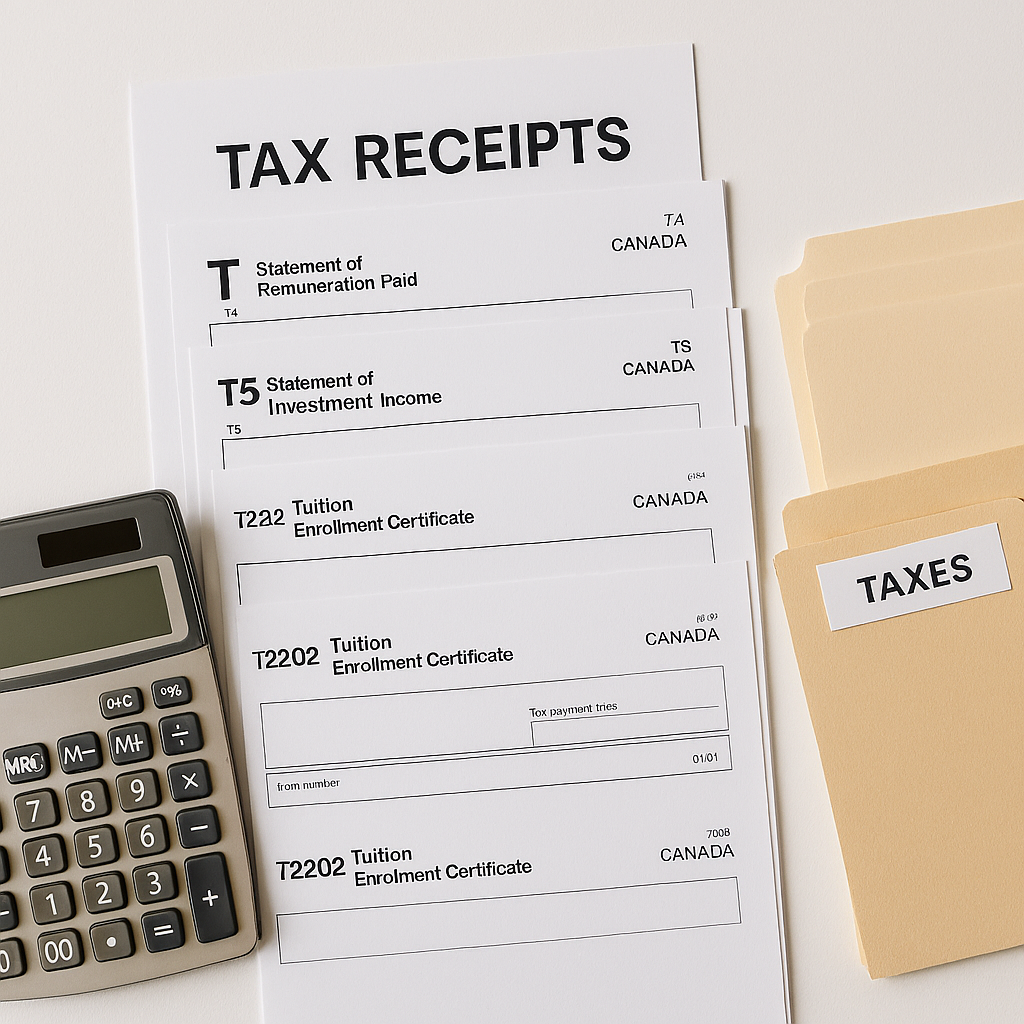
Many Ontario small business owners are surprised by the breadth of documents the CRA expects you to maintain. The bookkeeping requirements Canada small business regulations mandate include:
- Sales records: Invoices, receipts, contracts, and sales agreements
- Purchase documentation: Supplier invoices, expense receipts, and proof of payment
- Banking records: Bank statements, deposit slips, cancelled cheques, and credit card statements
- Payroll records: Employee information, T4 slips, ROEs, and remittance records
- Asset information: Purchase documents, depreciation schedules, and disposal records
- GST/HST documentation: Input tax credit supporting documents and filed returns
- Corporate records: Minutes of meetings, share registers, and articles of incorporation
The CRA can request any of these documents during an audit, and failure to produce them can result in denied deductions, reassessments, and penalties.
Digital vs. Paper Records: What the CRA Accepts
Good news for modern businesses: the CRA fully accepts electronic records. In fact, digital bookkeeping systems often provide better compliance than paper filing. However, your electronic records must meet specific criteria. They need to be readily accessible, legible, and stored in a format that prevents unauthorized alteration.
Cloud-based accounting software like QuickBooks, Xero, or Sage meets these requirements when properly configured. Just ensure you have reliable backup systems and can produce records promptly if the CRA comes calling.
Common Bookkeeping Mistakes That Trigger CRA Audits
After working with hundreds of small businesses across the GTA, we’ve identified patterns in what draws CRA scrutiny. Understanding these bookkeeping requirements Canada small business owners frequently violate can help you avoid becoming a target:
- Incomplete expense documentation: Missing receipts or vague expense descriptions raise red flags
- Personal and business expenses mixed together: Commingling funds is a major audit trigger
- Round numbers appearing too frequently: Estimates instead of actual figures suggest poor record-keeping
- Inconsistent reporting: Discrepancies between GST/HST returns and income tax filings
- Missing backup for large deductions: Significant expenses without supporting documentation
The Real Cost of Non-Compliance
Failing to maintain proper records isn’t just an administrative inconvenience. The CRA can impose penalties of up to $25,000 for repeated failures to keep adequate books and records. Beyond fines, you risk having legitimate business deductions denied because you can’t prove they occurred. This can result in thousands of dollars in additional taxes owed.
In extreme cases, persistent record-keeping failures can lead to gross negligence penalties of 50% of the tax owing, plus the possibility of prosecution for tax evasion.
Your 6-Year Record-Keeping Compliance Checklist
To stay compliant with bookkeeping requirements Canada small business regulations, implement these practices today:
- Establish a consistent system for capturing and storing all financial documents
- Use accounting software that automatically timestamps and backs up transactions
- Separate personal and business finances completely
- Reconcile bank accounts monthly to catch discrepancies early
- Store records in multiple locations (physical and cloud backup)
- Calendar annual reviews to purge records older than six years
- Document unusual transactions with detailed notes explaining business purpose
- Work with a qualified accountant to ensure your system meets CRA standards
Professional Support Makes Compliance Easy
The six-year rule isn’t complicated in principle, but proper implementation requires expertise and consistent attention to detail. Many Ontario small business owners find that working with a professional accounting firm transforms compliance from a burden into a competitive advantage. Proper bookkeeping doesn’t just keep the CRA satisfied—it provides the financial insights you need to grow your business strategically.
Whether you’re just starting out or looking to upgrade your current system, professional guidance ensures you meet all bookkeeping requirements Canada small business owners face while positioning your company for sustainable growth.
Need help ensuring your bookkeeping meets CRA standards? Contact Syed CPA Professional Corporation at +1 (647) 977-8977 or visit syedcpa.ca to schedule a consultation. Serving Milton, Mississauga, Brampton, and the GTA with expert accounting and tax services.
— The Team at Syed CPA Professional Corporation