
If you’re driving for Uber in Milton, Mississauga, or Brampton, you know every kilometer counts—not just for your earnings, but for your tax deductions too. The CRA’s 2025 flat mileage rate is 72¢ per kilometer for the first 5,000 km, but here’s the catch: rideshare drivers are required to use the actual expense method, not the simplified flat rate.
Understanding both methods helps you budget smarter throughout the year and ensures you’re maximizing every eligible deduction when tax season rolls around. Let’s break down what you need to know about uber driver actual expenses vs mileage rate 2025 so you can keep more money in your pocket.

Why CRA Requires Rideshare Drivers to Use Actual Expenses
Unlike salaried employees who might use the simplified flat rate for occasional work travel, Uber drivers operate a business. The CRA considers rideshare driving a commercial activity, which means you must track and deduct your actual vehicle expenses based on the percentage of business use.
This isn’t a disadvantage—it’s actually an opportunity. When you track actual expenses properly, you can often deduct more than the flat rate would allow, especially if you’re driving a newer vehicle or have higher-than-average operating costs in the GTA.
What Counts as Actual Vehicle Expenses?
Your actual expense deductions include everything related to operating and maintaining your vehicle. Gas, insurance, lease or loan interest, maintenance and repairs, car washes, license and registration fees—these all count. You can also claim Capital Cost Allowance (CCA) for depreciation if you own your vehicle.
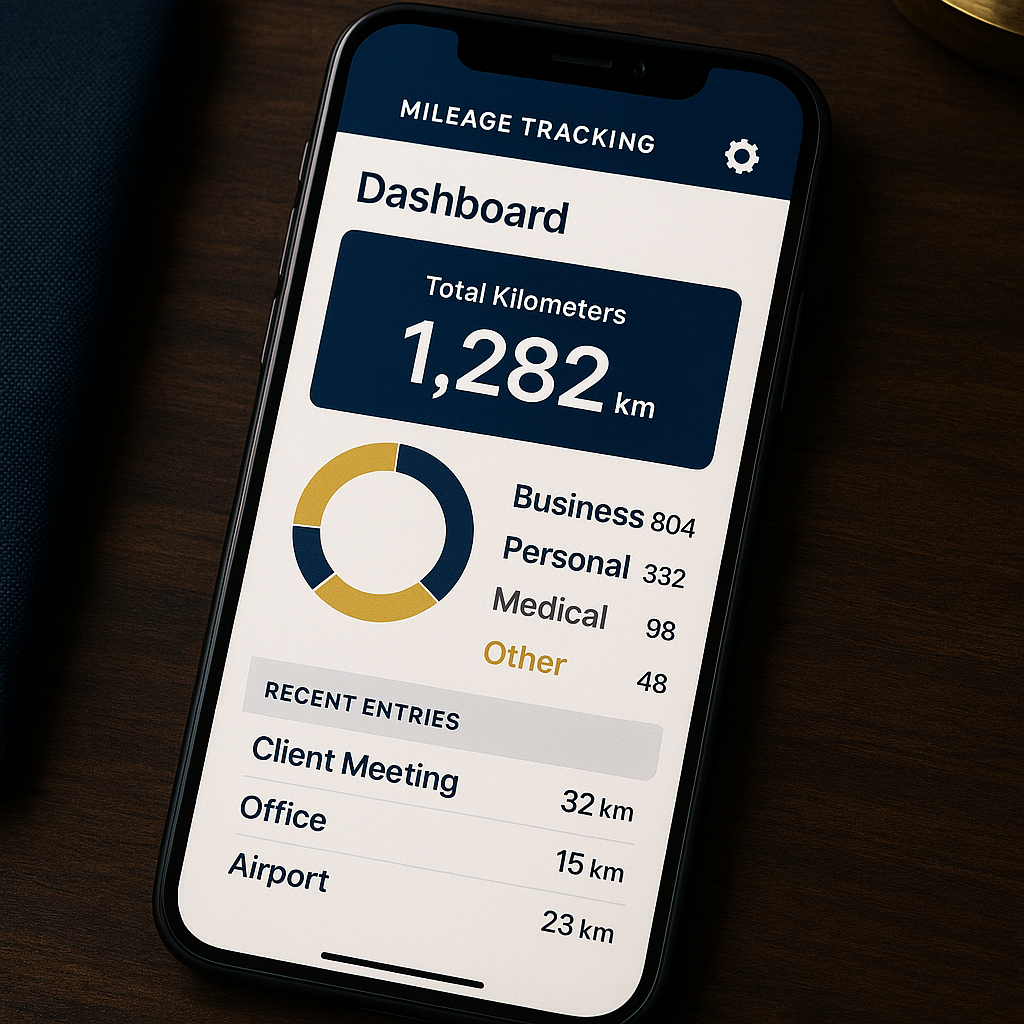
The key is keeping detailed records. Save every receipt, and track your total kilometers driven versus business kilometers. That percentage determines how much of each expense you can deduct. If 70% of your driving is for Uber, you can claim 70% of your vehicle expenses.
How the 2025 Flat Mileage Rate Works (And Why You Should Still Know It)
Even though you can’t use it for your tax return, understanding the 2025 flat rate helps you benchmark your costs. At 72¢/km for the first 5,000 km and 66¢/km after that, you can quickly estimate whether your actual costs are higher or lower than average.
If your actual expenses work out to significantly less than these rates, you might be missing deductions. If they’re much higher, it could signal maintenance issues or inefficiencies worth addressing. Either way, comparing your uber driver actual expenses vs mileage rate 2025 gives you valuable insight into your business health.
Common Mistakes GTA Uber Drivers Make
The biggest mistake? Not tracking business versus personal kilometers from day one. You can’t reconstruct a legitimate logbook after the fact—the CRA requires contemporaneous records. Start tracking January 1st, not in March when you’re scrambling to file.
Another common error is forgetting to claim HST Input Tax Credits (ITCs) if you’re GST/HST registered. Once you earn over $30,000 in a calendar year, registration becomes mandatory, and those ITCs can add up to significant savings on your business expenses.

What About Other Rideshare Business Expenses?
Don’t stop at vehicle costs. You can also deduct your phone plan (business portion), snacks and water you provide passengers, parking fees while waiting for rides, and even a portion of accounting fees for preparing your tax return. Every legitimate business expense reduces your taxable income.
If you use your home to manage your Uber business—tracking income, scheduling, correspondence—you might qualify for home office deductions too. Just ensure you’re calculating the space percentage correctly and meeting CRA’s principal place of business or meeting clients criteria.
Setting Yourself Up for Success in 2025
Start the year right with a dedicated system for tracking expenses. Whether it’s a mileage app, spreadsheet, or shoebox full of organized receipts, consistency matters more than sophistication. Review your records monthly so you’re not overwhelmed come tax season.
Consider making quarterly tax installments if your net self-employment income will exceed $3,000. This prevents a painful tax bill in April and keeps you in good standing with CRA. A quick consultation with an accountant in January can save you thousands by year-end.
Understanding uber driver actual expenses vs mileage rate 2025 isn’t just about tax compliance—it’s about running a profitable business. When you know your true costs per kilometer and claim every eligible deduction, you’re positioning yourself for long-term success in the GTA’s competitive rideshare market.
Have questions about maximizing your rideshare deductions? Call Syed CPA at +1 (647) 977-8977 or visit syedcpa.ca for a free consultation.
— The Team at Syed CPA