
Why Most Uber Drivers Leave Money on the Table
Most Uber drivers miss deductions worth $2,000+ annually—phone bills, car washes, and parking fees all count if tracked correctly. The CRA allows you to claim a wide range of expenses related to earning rideshare income, but only if you know what qualifies and keep proper records.
If you’re driving in Milton, Mississauga, Brampton, or anywhere in the GTA, understanding uber driver tax deductions Ontario rules can dramatically reduce your tax bill. Let’s break down the often-overlooked deductions that could save you serious money.
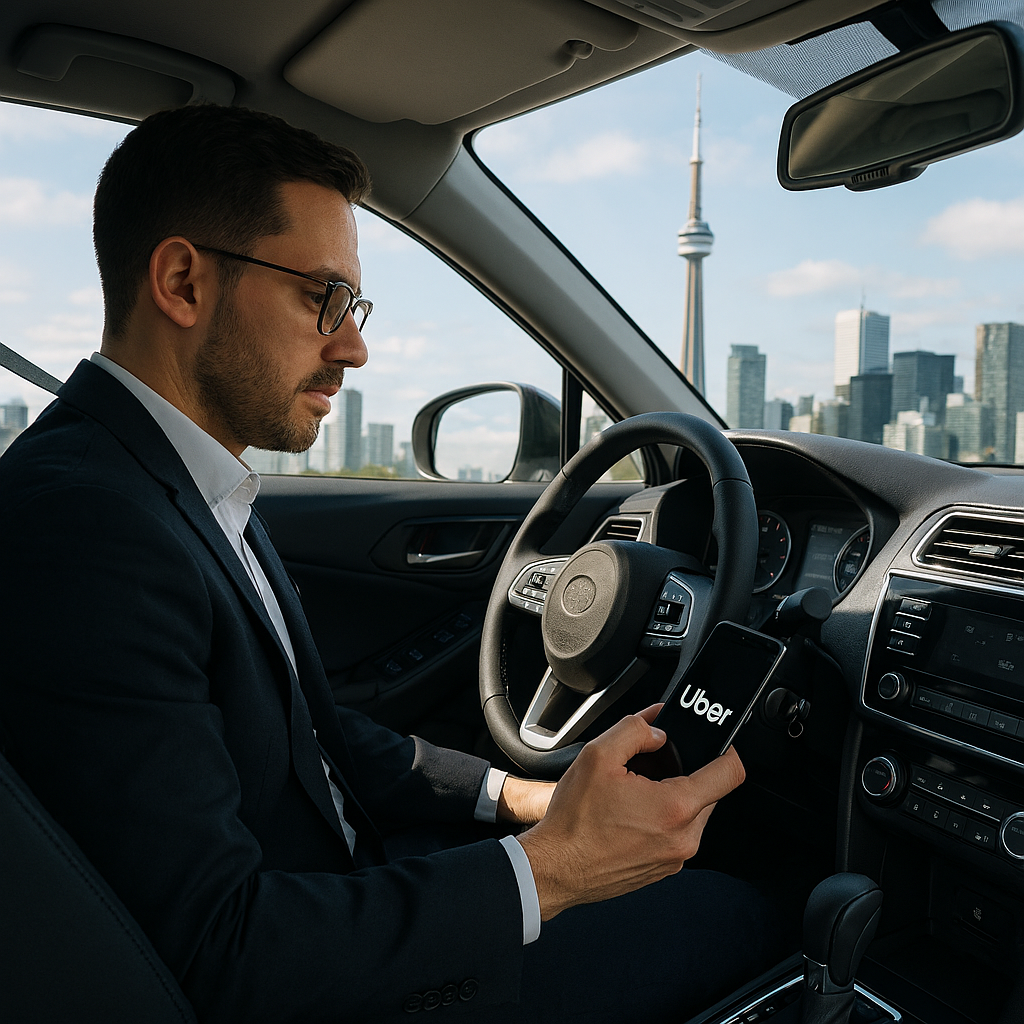
Vehicle Expenses Everyone Knows (But Still Miss)
Yes, gas and car payments are deductible, but many drivers don’t track them properly. You need to calculate your business-use percentage—the portion of total kilometers driven for Uber versus personal use. If you drove 40,000 km total and 25,000 were for Uber, that’s 62.5% business use.
Apply this percentage to: insurance, lease or loan interest (not the principal), licensing and registration, maintenance and repairs, car washes, oil changes, and parking (when picking up passengers or waiting between rides).
What About Depreciation?
The CRA lets you claim Capital Cost Allowance (CCA) on your vehicle—essentially depreciation. For most passenger vehicles, this is 30% declining balance in Class 10.1. However, claiming CCA can trigger a recapture when you sell the vehicle, so discuss this with your accountant first.
The Hidden Deductions Most Drivers Miss
Here’s where uber driver tax deductions Ontario get interesting. Your phone bill? Deductible at your business-use percentage. Same goes for your phone purchase, car phone mount, and charging cables.
Technology and Communication
- Cell phone and data plan (business portion)
- Phone accessories (mounts, chargers, protective cases)
- Dash cam (safety and insurance purposes)
- GPS devices or apps if you pay for premium navigation
Comfort and Safety Items
- Water bottles for passengers
- Air fresheners and cleaning supplies
- First aid kit
- Umbrellas (some drivers keep extras for passengers)
- Hand sanitizer and masks (still relevant for many drivers)
Professional Services
- Accounting and bookkeeping fees (yes, paying us to help with your taxes is tax-deductible)
- Tax preparation software
- Background check fees required by Uber
Office Expenses You Might Not Expect
Even though your “office” is your car, you likely have a workspace at home for admin tasks. If you have a dedicated area where you track mileage, review earnings, and manage your Uber business, you might qualify for home office expenses.
This includes a portion of rent or property tax, utilities, internet, and even home insurance. The calculation can be tricky—it’s based on the square footage of your workspace relative to your entire home, multiplied by business-use hours.
Tracking: The Make-or-Break Factor
The CRA requires contemporaneous records—meaning you track expenses when they happen, not months later. For uber driver tax deductions Ontario, you need:
- Mileage log showing date, starting location, ending location, kilometers, and purpose
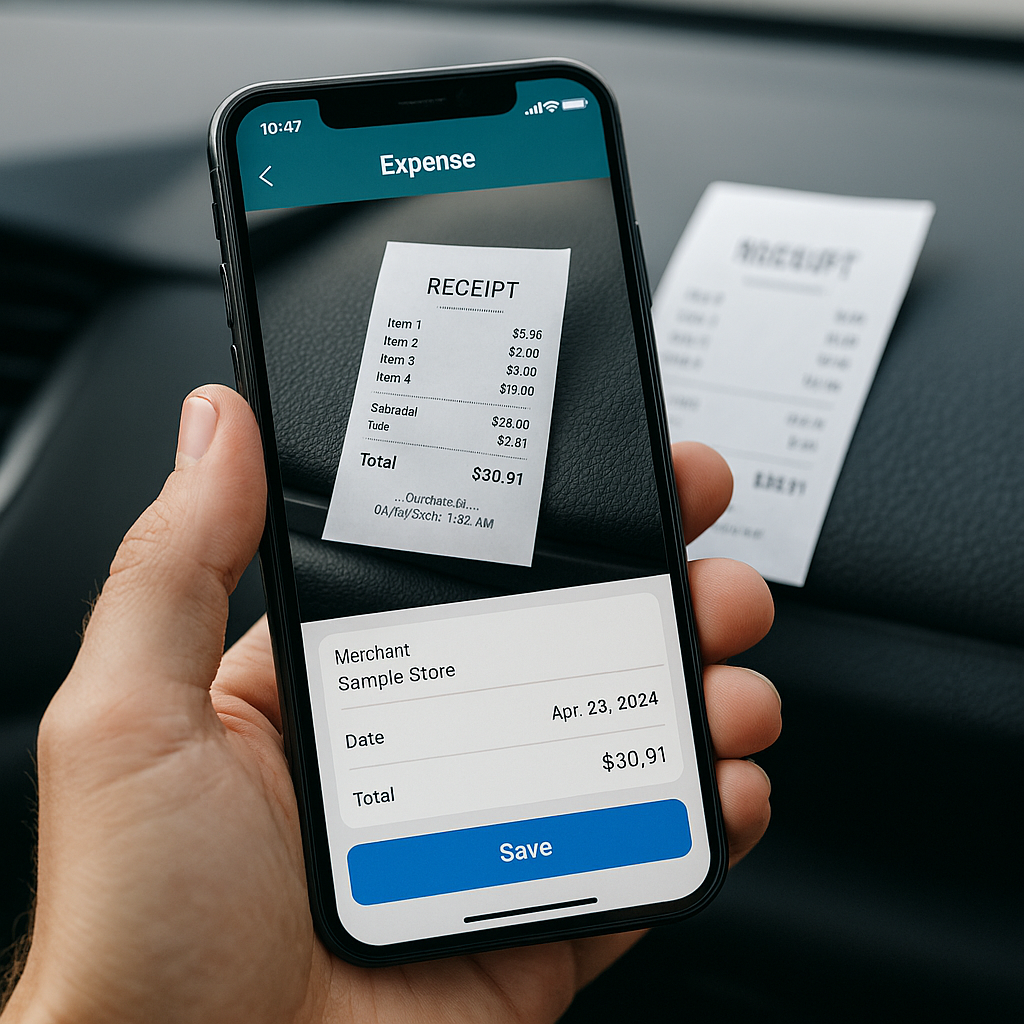
- All receipts for expenses over $75 (digital photos work fine)
- Credit card and bank statements showing payments

Apps like MileIQ, Hurdlr, or QuickBooks Self-Employed can automate much of this. They track your trips via GPS and categorize expenses, generating reports ready for your accountant.
Common Mistakes That Trigger CRA Reviews
Claiming 100% business use on your vehicle is a red flag—the CRA knows you use your car personally too. Being reasonable (typically 60-80% for active drivers) shows honesty.
Also, don’t claim expenses twice. Uber already deducts their service fee and some costs from your payments, so make sure you’re only claiming what you actually paid out of pocket.
HST Considerations for Higher Earners
If you earn over $30,000 annually from Uber, you must register for HST and charge it on your fares (which Uber handles). The benefit? You can claim Input Tax Credits (ITCs) on the HST portion of your business expenses, putting money back in your pocket.
ITCs mean that if you paid $113 for a repair ($100 + $13 HST), you can recover that $13 through your HST return.
Year-End Tax Planning
As 2025 winds down, consider timing larger purchases. Need new tires? Buying them in December means you can claim them on this year’s return rather than waiting another year.
Also, if you had a strong earnings year, discuss RRSP contributions with your accountant. These reduce your taxable income and can result in significant refunds, especially for drivers in higher tax brackets.
Understanding uber driver tax deductions Ontario rules isn’t just about compliance—it’s about keeping more of what you earn. Every legitimate deduction you miss is money left on the table.
Have questions about which deductions apply to your specific situation? Call Syed CPA at +1 (647) 977-8977 or visit syedcpa.ca for a free consultation.
— The Team at Syed CPA